











A New Era for Appraisals: Preparing for UAD 3.6
Appraisers have been preparing for years. Now brokers can help make the transition smoother for everyone.
NMAR WEBINAR
What Every REALTOR® Needs to Know About the Mandatory UAD 3.6 Transition
Presented by: Leigh Brown
Thursday, October 22, 2026 | 1:00 PM

Residential appraisal reporting is undergoing one of its biggest changes in decades with the transition to the Uniform Appraisal Dataset (UAD) 3.6. The new reporting structure modernizes how property information is collected and presented, replacing familiar legacy appraisal forms with a more dynamic format containing significantly more detailed property data.
For loans sold to Fannie Mae and Freddie Mac, UAD 3.6 becomes mandatory beginning November 2, 2026. But this transition did not begin overnight. Appraisers across the country have spent considerable time preparing for what is coming.
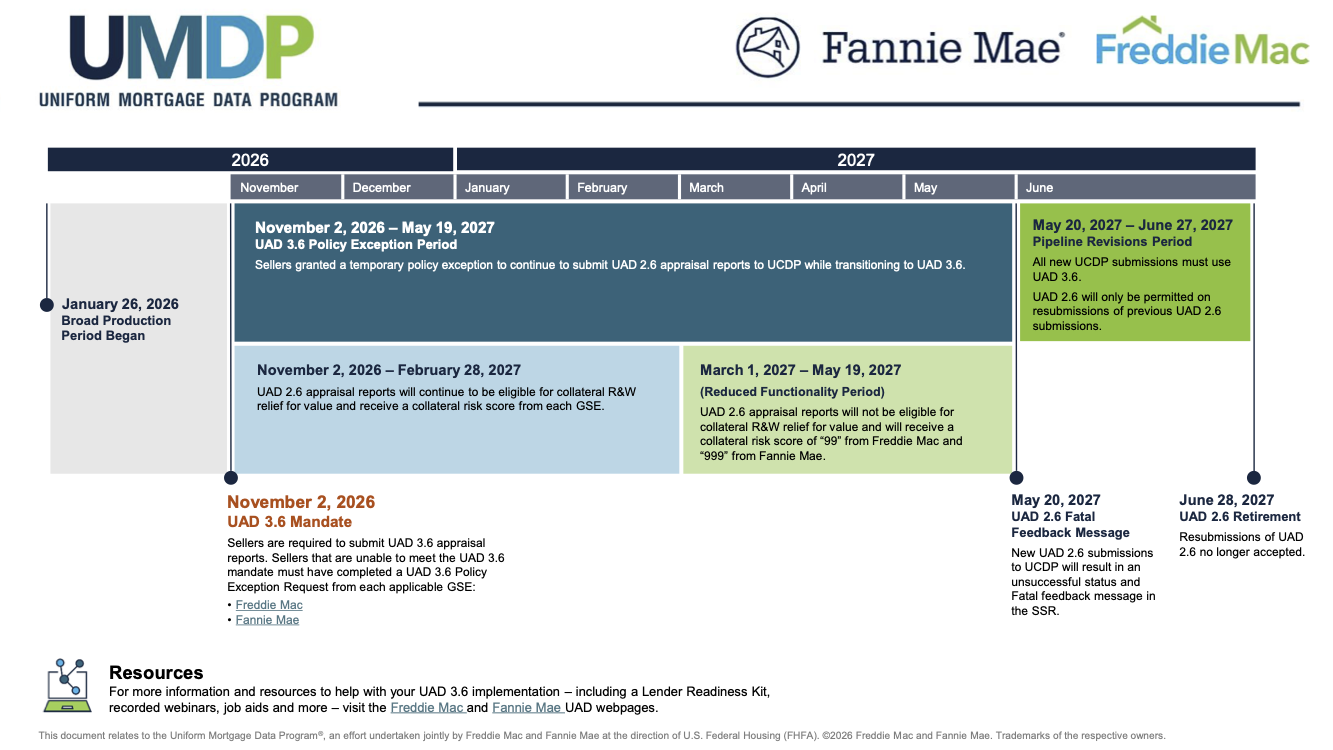
Appraisers Have Been Doing the Homework
For nearly two years, appraisers have been learning the new dataset, attending training, testing appraisal software, adjusting workflows and gaining hands-on experience with the new reporting structure.
That preparation is significant because UAD 3.6 is much more than a redesigned form. The new structure requires appraisers to collect and report considerably more detailed information about properties, including individual levels, rooms and areas, improvements, amenities, site characteristics and other features.
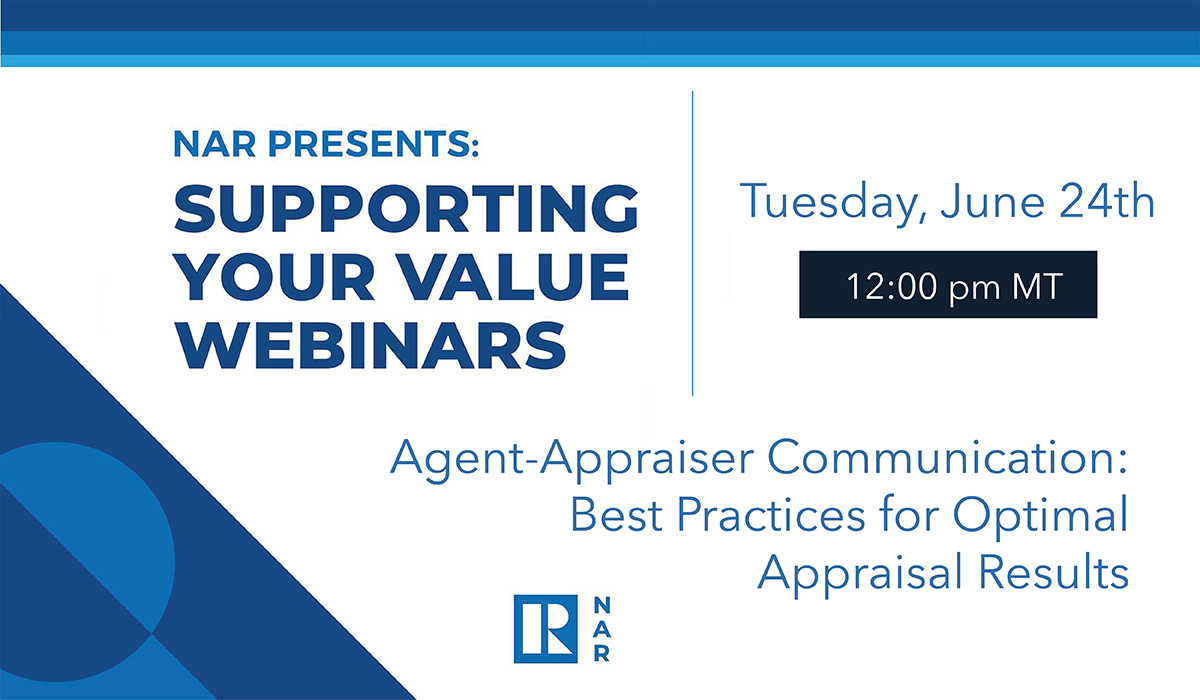
NAR has also been working with REALTOR® appraisers throughout the transition, providing education and opportunities for appraisers to help fellow members understand what is changing. Its ongoing Supporting Your Value webinar series has included sessions on the new dataset, appraisal software and the workflows appraisers will use to complete UAD 3.6 reports.
What Brokers May Notice
As UAD 3.6 becomes more common, one of the first differences buyers and sellers may notice is more time spent at the property during the appraisal.
More information must be observed, documented and entered into the report, so brokers should not assume an appraisal appointment will take the same amount of time it has in the past. A longer visit does not necessarily indicate a problem. It may simply reflect the additional information required under the new reporting structure.
The transition may also affect the broader appraisal timeline as appraisers, appraisal management companies, lenders and underwriting departments adapt their systems and processes.
Setting those expectations with clients early can help reduce confusion later.
Better Information Can Help the Process
Brokers also have an important role in supporting accurate appraisal information.
Specific property details are increasingly valuable. Rather than simply describing a home as "updated," document what was improved and when. A remodeled kitchen, replaced HVAC system, new roof covering or renovated bathroom provides much more useful information when dates and details are available.
Consider providing an appraisal packet with factual information about the property, improvements and relevant transactions. When appropriate, brokers can also provide information about comparable properties or circumstances surrounding a transaction that may not be readily apparent from MLS data.
The roles remain distinct: brokers provide information, while appraisers independently research, analyze and determine its relevance to the valuation.
Accurate MLS information matters after closing, too. Today's closed listing becomes tomorrow's market data. Preserving meaningful information about improvements, concessions and unusual transaction circumstances can provide valuable context for future brokers, appraisers and lenders.
Start Preparing Now
Brokers do not need to become appraisal experts to prepare for UAD 3.6. A few practical habits can make the transition easier:
- Prepare buyers and sellers for potentially longer appraisal appointments and processing timelines.
- Encourage borrowers to ask their lenders which appraisal reporting format will be used.
- Document property improvements with specific details and dates whenever possible.
- Keep MLS information complete and accurate, including useful information at closing when appropriate.
- Consider preparing factual appraisal packets for listings.
- Respond when an appraiser contacts you about a previous transaction. Information you have may help provide important context for another consumer's appraisal.
Preparing Together
NAR has a growing list of resources to help appraisers, brokers and agents prepare for the changes:
- Appraisal Ready: What Agents and Brokers Can Do Now for UAD 3.6 spells out how agents can prepare clients as the Nov. 2 implementation deadline approaches.
- Nudge Your Lenders to the Starting Line Before Nov. 2 encourages REALTORS® to talk with their lender partners now rather than waiting until the mandate date.
- NAR's Appraisals Will Look Very Different in the Near Future—Are You Ready? provides additional background on the coming changes.
- Members can also turn to NAR's Supporting Your Value webinar series, which has featured experts from Fannie Mae, Freddie Mac, FHA and appraisal software providers discussing the new reporting environment.
- For appraisers seeking technical information, Freddie Mac's UAD 3.6 resource center offers training, job aids, sample scenarios and other implementation resources. Fannie Mae also maintains a dedicated UAD 3.6 and Forms Redesign resource center.


Comments