










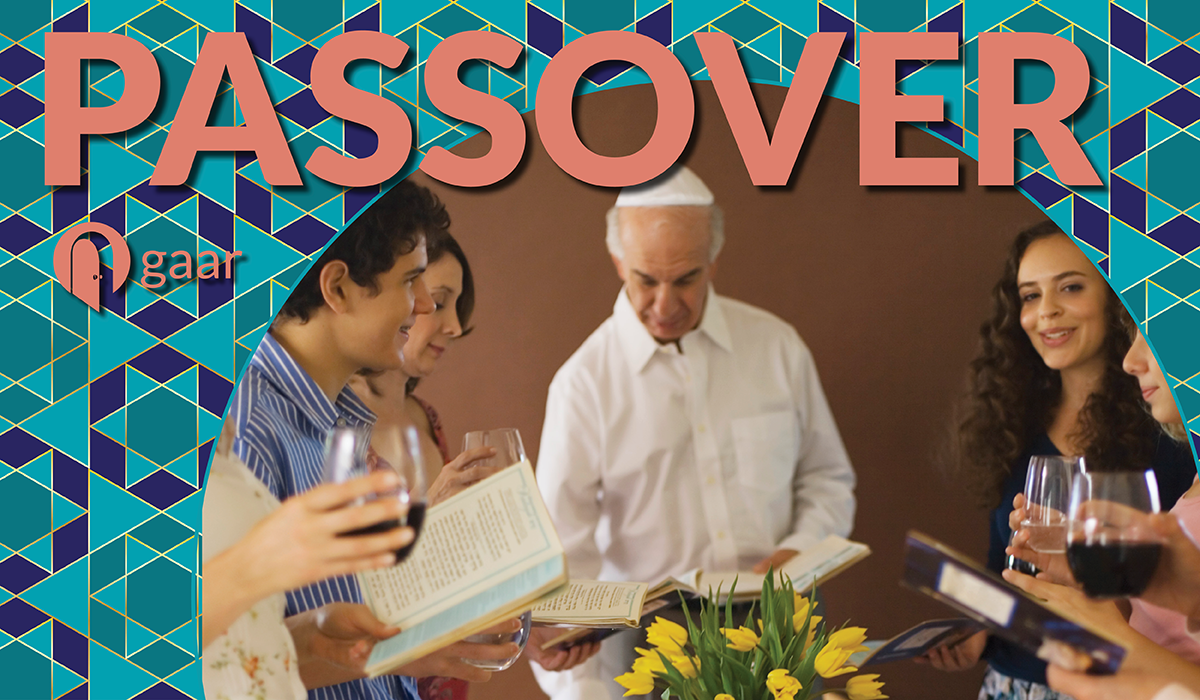
Passover begins at sundown on Wednesday, April 1, 2026, and continues through Thursday, April 9. For many Jewish families, this eight-day holiday is one of the most meaningful times of the year, centered on remembrance, tradition, and gathering at home.
The celebration begins with the Seder, a special and symbolic meal shared with family and friends. In 2026, the first Seder takes place on Wednesday night, April 1, followed by the second Seder on Thursday night, April 2. These evenings set the tone for the holiday, bringing loved ones together around the table to retell the story of the Exodus. At its core, Passover is about storytelling. Through the Haggadah, participants walk through the journey from slavery to freedom, using symbolic foods, prayers, songs, and questions.
Yet beyond the ritual, Passover is deeply connected to the idea of home. Preparation begins days in advance, as families clean, cook, and prepare traditional dishes that often carry generations of history. The home becomes more than a setting. It becomes a space of intention, reflection, and connection.
The Seder itself is often described as part tradition, part storytelling, part feast. It is a time to slow down, gather close, and share not just a meal, but a meaningful experience. Conversations flow, stories are passed down, and traditions are both honored and reimagined with each new generation.
Whether celebrating with a large extended family or hosting a small, intimate gathering, Passover creates a sense of belonging. It reminds us that home is not just where we live, but where we come together to share our stories, our history, and our hopes for the future.
What should REALTORS® keep in mind during passover?
Passover can quietly impact schedules, communication, and even transactions, so a little awareness goes a long way. Here are a few smart things REALTORS® should keep in mind:
- Key Dates Affect Availability
Passover 2026 runs April 1–9, with the first two nights (April 1–2) and last two days (April 8–9) being the most observant. Clients who celebrate may be unavailable during evenings for Seders or fully offline on certain days. - Evenings Are Often Reserved for Family
Seders are long, meaningful gatherings that take priority. Scheduling showings, calls, or deadlines on those evenings is a tough sell. Think of it like trying to book a meeting during Thanksgiving dinner. - Food Restrictions to Consider at Events
If you’re hosting an open house or client event, be mindful that those observing Passover avoid leavened foods. Even a small gesture, like offering packaged kosher-for-Passover snacks, shows awareness and respect. - Communication May Slow Down
Response times might lag slightly, especially on Yom Tov days when work is traditionally avoided. Build in a little buffer and set expectations early if you are working with clients who observe. - Home Takes Center Stage
Passover is deeply tied to the home. Families clean, prepare, and host. It’s actually a great reminder of what “home” means beyond square footage. That perspective can resonate in your conversations with clients. - A Simple Acknowledgment Goes a Long Way
You do not need to be an expert. A quick “Wishing you a meaningful Passover” is thoughtful and professional, and it shows cultural awareness.
In real estate, timing is everything. During Passover, timing happens to revolve around family, tradition, and the table. Adjust accordingly, and you will not only stay on track professionally, but also build stronger relationships along the way.
Advancing, Belonging, Community & Diversity Committee
presents this holiday celebration blog

Comments