










NOTE: Consumer guides do not constitute any change in NAR policy. Real estate professionals must ensure they market properties consistent with relevant MLS rules and educate sellers on the choices available.
Download the PDF here. You can also download a cutomizable flyer here.
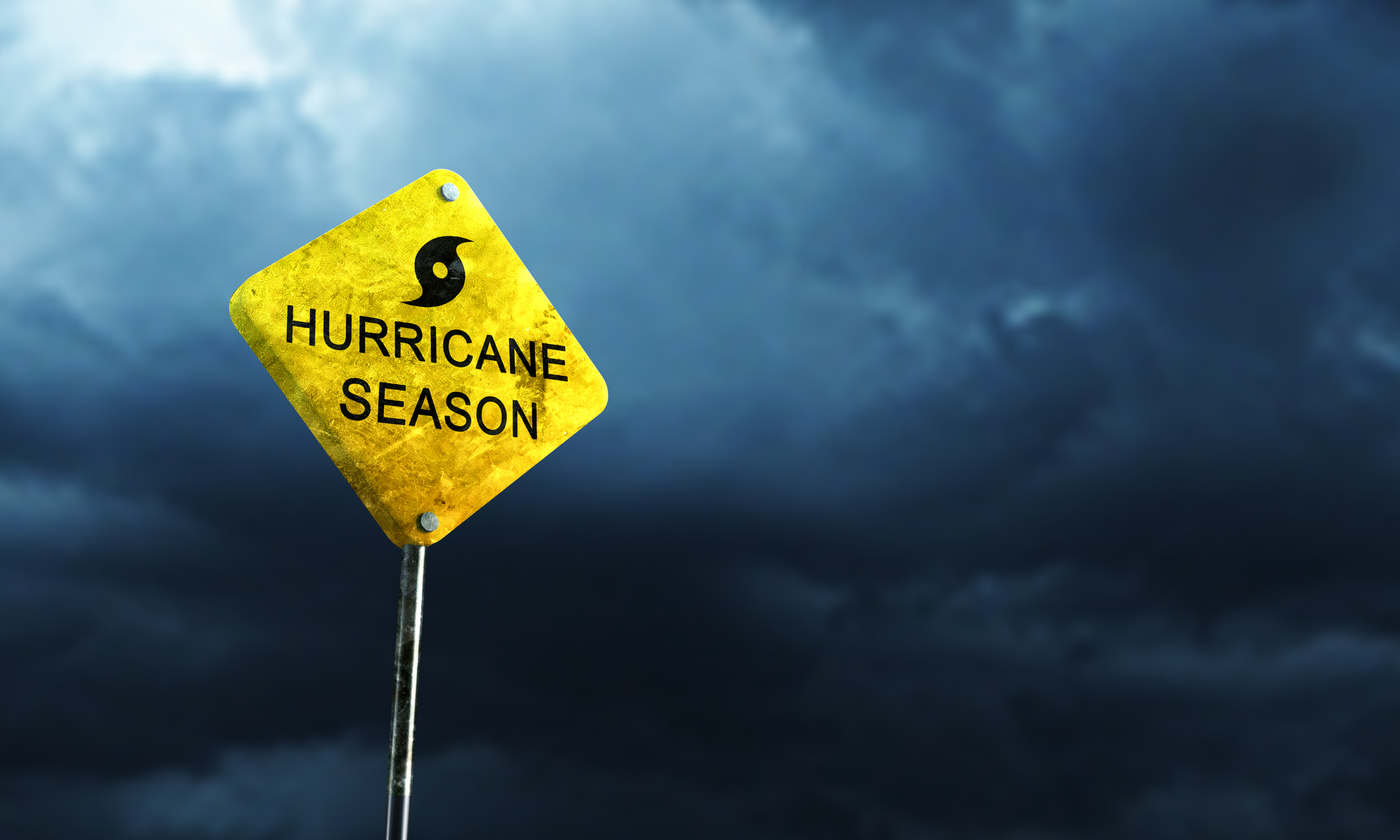
Hurricanes put Americans at risk and cause billions of dollars in property damage annually, according to the National Oceanic and Atmospheric Administration. Depending on the region, hurricane season spans May 1 to November 30, with the Atlantic basin experiencing peak season in mid-September. The best course of action is to prepare as much as possible before a hurricane hits. Here are important steps to take to protect yourself and your home:
- Plan for evacuation or to shelter in place. Check your town or county websites for evacuation routes, the locations of the nearest shelters or another safe location. Have a plan to get there. If you plan to shelter in place, determine the safest places in the house away from high winds and possible flooding and have contingencies in place to live without power, electricity, water and internet.
- Have your emergency supplies ready. Include flashlights with extra batteries, candles or lamps, matches, prescription medicines, a supply of drinking water (one gallon per person per day is recommended), nonperishable foods, a first-aid kit and a whistle to blow for help. An emergency power supply and solar-powered chargers can help ensure your phone retains a charge.
- Get your car ready. Make sure your gas tank is full. Move it into a garage or under cover, if possible, and keep an emergency kit in your trunk.
- Take a complete inventory of your personal property. Make a comprehensive list and take videos (if possible) of all your personal property. This can aid in filing an insurance claim, substantiate losses on your tax returns, and help you apply for federal or state disaster aid.
- Safeguard important documents. Make digital copies of documents such as financial and medical records, property and car deeds, birth certificates, and insurance policies. Store originals in a safe, waterproof place and consider taking them with you if you evacuate.
- Review your insurance policies and keep coverage up to date. This helps ensure the policy is sufficient to repair or rebuild your home at current construction costs, replace personal belongings, and cover additional living expenses if you need temporary housing. Hurricanes can bring heavy rain, inland flooding and storm surge. Even if you’re not in a high-risk flood zone, consider flood insurance, as flood damage is generally NOT covered by a standard homeowner’s policy.
- Fortify your home against potential damage. The American Red Cross recommends protecting windows and sliding glass doors with shutters or sheeting and says owners might consider installing a sump pump with battery backup. Another option: impact-resistant windows. They’re “made to withstand high-velocity debris and pressure changes from severe storms and hurricanes,” Consumer Reports says. And they may be required under some local ordinances.
- Clear potential hazards. The American Red Cross recommends trimming small or weak tree branches; picking up items that could become a projectile during a hurricane; anchoring heavy objects that can’t come into the house; and cleaning out drains, gutters and downspouts.
- Sign up for emergency alerts. Go to ready.gov/alerts to learn about the different types of emergency alerts you can sign up to receive.
Additional Resources
- Hurricane Preparedness Checklist (American Red Cross)
- Make a Plan (Ready.gov)
- Build a Kit (Ready.gov)
- Be Prepared: Pet Safety in Emergencies (CDC)
- Property Owners and the Hazard Mitigation Grant Program (FEMA)
Your real estate agent will help you navigate the purchase or sale of a home; for legal advice, consult an attorney licensed in your state. Not all real estate professionals are REALTORS®. Only those who are members of the National Association of REALTORS® may use the term REALTOR®, and they are obligated under the NAR’s Code of Ethics to work in your best interest. Please visit facts.realtor for more information and resources.
Comments