










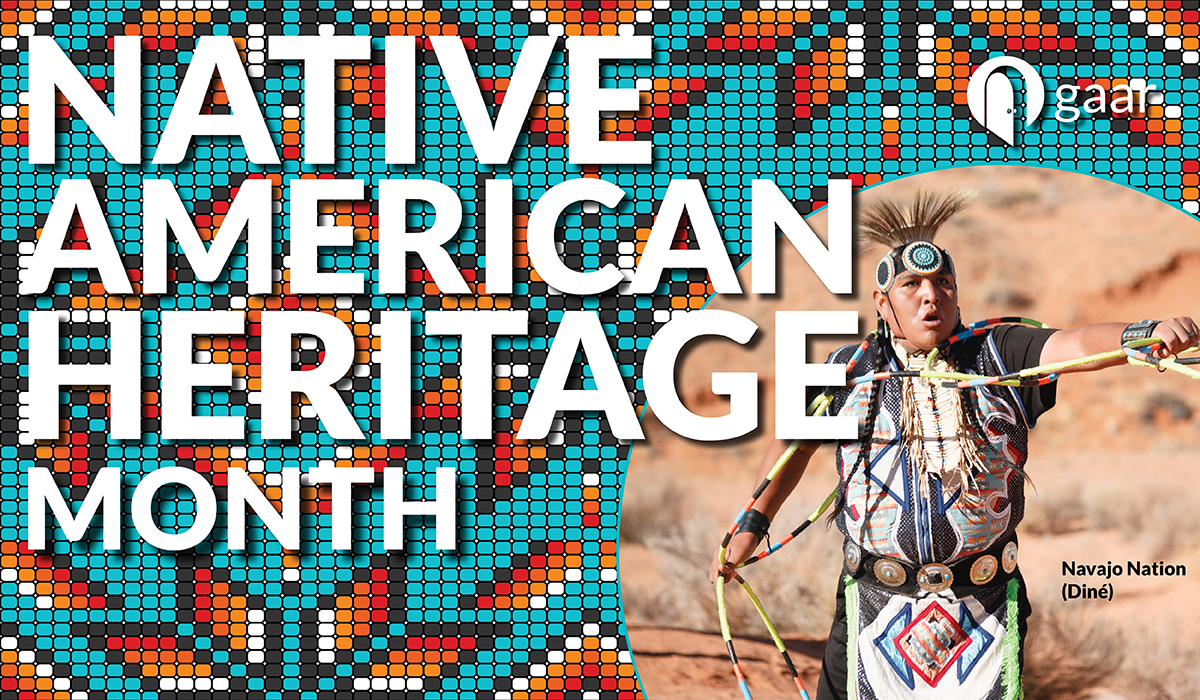
Native American Heritage Month is an opportunity to recognize the Indigenous peoples whose histories, cultures, and traditions continue to shape New Mexico. It is also a time to learn how these communities identify themselves and why using their preferred names is an important part of showing respect.
New Mexico is home to 19 Pueblos, three Apache tribes, and the Navajo Nation (Diné). Each is a distinct sovereign nation with its own government, history, traditions, and cultural identity.
While many communities are familiar by names used for generations in maps, historical records, and everyday conversation, some Indigenous nations have reclaimed or adopted names that better reflect their own languages and identities.
The Importance of a Name
Names carry history, language, and cultural meaning. Many Indigenous communities were given names by Spanish colonizers or other outside groups, and those names became widely used in government documents, geographic references, and public conversation.
Today, several Pueblos are increasingly recognized by names rooted in their own languages. These changes reflect the importance of self-determination and the right of Indigenous communities to define how they are represented.
For New Mexicans, learning and using these names is a meaningful way to acknowledge the people and cultures connected to the places we call home.
Understanding the Language We Use
The term “Indian” originated with Christopher Columbus’s mistaken belief that he had reached the Indies in Asia when he arrived in the Caribbean in 1492. The label continued to be applied to the Indigenous peoples of the Americas, despite their distinct nations, languages, and identities.
For some Native people, that history and the term’s association with colonization make it inaccurate or unwelcome. Others identify as Indian or American Indian, and those choices also deserve respect. Native American and Indigenous are widely used, but no single term reflects everyone’s preference.
These questions of identity and historical recognition also connect to the movement for Indigenous Peoples’ Day. Indigenous advocates have encouraged communities to honor Indigenous peoples rather than celebrate Columbus without acknowledging the violence, displacement, and loss of land associated with colonization. Albuquerque replaced Columbus Day with Indigenous Peoples’ Day in 2015.
Learning this history helps us understand why names and public commemorations matter. Whenever possible, use the specific name of a person’s Pueblo, Tribe, or Nation and follow how they identify themselves. When unsure, respectfully ask.
Pueblos Reclaiming Their Traditional Names
Two examples demonstrate how Indigenous communities have reclaimed names that reflect their cultural identities.
Ohkay Owingeh (Formerly San Juan Pueblo)
Located near Española, Ohkay Owingeh was historically known as San Juan Pueblo, a name introduced during Spanish colonization.
In 2005, the Pueblo officially restored its traditional Tewa name, Ohkay Owingeh, commonly translated as "Place of the Strong People."
The name reflects the community's heritage and connection to its ancestral homeland. Today, Ohkay Owingeh is recognized by its restored name in state and tribal government references.
Kewa Pueblo (Also Known as Santo Domingo Pueblo)
Located between Albuquerque and Santa Fe, Kewa Pueblo has long been known as Santo Domingo Pueblo, a name introduced by Spanish colonizers.
In 2009, the community formally reclaimed the name Kewa, rooted in its Keres language and identity.
Both names continue to appear in public references, including the Pueblo's own website, which uses Santo Domingo Pueblo and Kewa. The use of Kewa recognizes the community's longstanding cultural identity and traditions.
Recognizing New Mexico's 23 Indigenous Nations, Pueblos, and Tribes
New Mexico's 23 federally recognized Indigenous nations, Pueblos, and tribes represent a remarkable diversity of languages, governments, histories, and cultural traditions.
The 19 Pueblos
- Acoma
- Cochiti
- Isleta
- Jemez
- Laguna
- Nambé
- Ohkay Owingeh
- Picuris
- Pojoaque
- San Felipe
- San Ildefonso
- Sandia
- Santa Ana
- Santa Clara
- Kewa (Santo Domingo)
- Taos
- Tesuque
- Zia
- Zuni
The Three Apache Tribes
- Fort Sill Apache Tribe
- Jicarilla Apache Nation
- Mescalero Apache Tribe
The Navajo Nation (Diné)
The Navajo Nation spans portions of New Mexico, Arizona, and Utah. Diné, meaning "The People," is the name Navajo people use to identify themselves in their own language.
Each of these 23 sovereign nations contributes to New Mexico's cultural heritage while maintaining its own identity and traditions.
Learning Through Language and Respect
Recognizing Indigenous names is one way to deepen our understanding of New Mexico's history, but it is equally important to remember that Indigenous communities are not simply part of the state's past. They are thriving nations whose governments, businesses, artists, educators, and community leaders continue to shape New Mexico today.
For GAAR members, whose work is closely connected to land, neighborhoods, and communities, Native American Heritage Month offers an opportunity to learn more about the people who have stewarded these lands for generations.
Whether through learning the traditional names of nearby Pueblos, supporting Indigenous-owned businesses, or exploring the history of local communities, there are meaningful ways to expand our understanding.
This November, GAAR encourages members to recognize New Mexico's Indigenous nations, respect how they choose to be represented, and continue learning about the cultures and communities that make our state unique.
For more information, explore the New Mexico Indian Affairs Department Tribal Directory.
Advancing, Belonging, Community & Diversity Committee
presents this cultural heritage celebration blog

Comments