










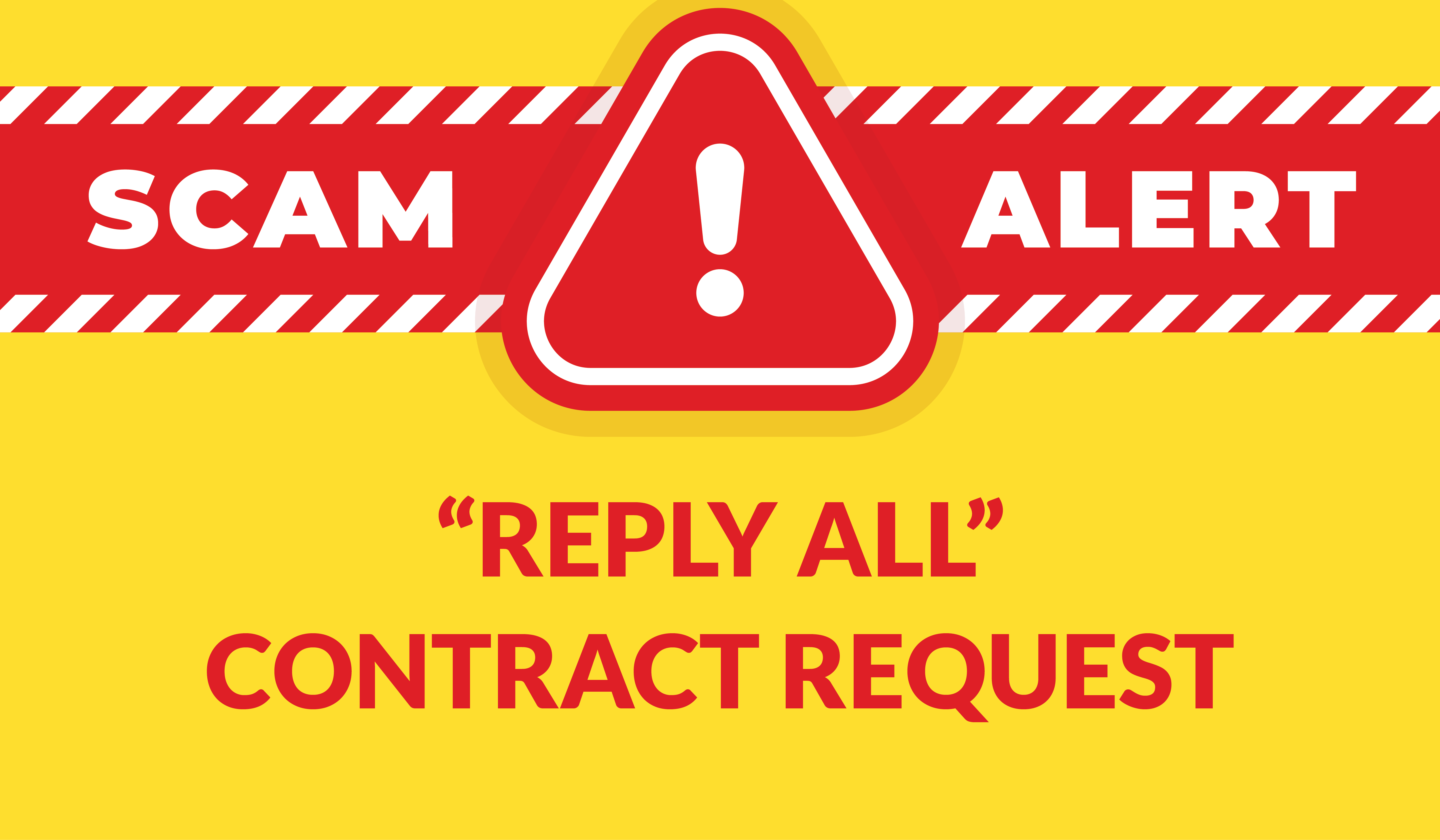
A new phishing attempt is making the rounds, and it’s designed to look like a routine transaction request. At first glance, it feels normal. A client or party to the transaction asks for copies of signed documents and even loops in an “attorney” to keep things moving.
Here’s what that message might look like:
“I’m pulling together documents to share with my attorney… could you reply all with a PDF of the fully signed agreements?”
Simple. Polite. Totally dangerous.
What’s Really Happening
This is a social engineering scam. The sender is impersonating a client or transaction party and trying to get you to:
- Send fully executed contracts
- Share sensitive transaction details
- Reply to a thread that includes a fake attorney email
Once you hit “reply all,” you may unknowingly send confidential documents straight to a scammer.
Red Flags to Watch For
Even well-written emails can have tells. Look for:
- Unexpected urgency
“Trying to keep things moving” is meant to rush you. - Excuse for missing documents
Claims like “it didn’t sync to my desktop” are common tactics. - New or unfamiliar email addresses
Especially the “attorney” copied on the message. - Reply-all request
This ensures the scammer gets the documents without extra effort. - Slight changes in tone or phrasing
If it feels off, trust that instinct.
Why This is Important
Transaction documents often include:
- Personal identifying information
- Financial details
- Signatures and legal agreements
In the wrong hands, that information can lead to identity theft, wire fraud, or broader transaction compromise.
How to Protect Yourself
Before sending anything:
- Verify the request directly
Call or text your client using a known number, not the one in the email. - Check email addresses carefully
Look for subtle misspellings or unfamiliar domains. - Avoid replying all until verified
Especially when new parties are added to the thread. - Use secure platforms
Share documents through trusted transaction management systems when possible. - Pause before acting
Scammers rely on speed. Slowing down is your advantage.
Bottom Line
If a request for contracts suddenly “pops up” out of nowhere, don’t let it spring you into action. A quick verification step can be the difference between a smooth transaction and a major security issue.
When in doubt, don’t send it out.


Comments