










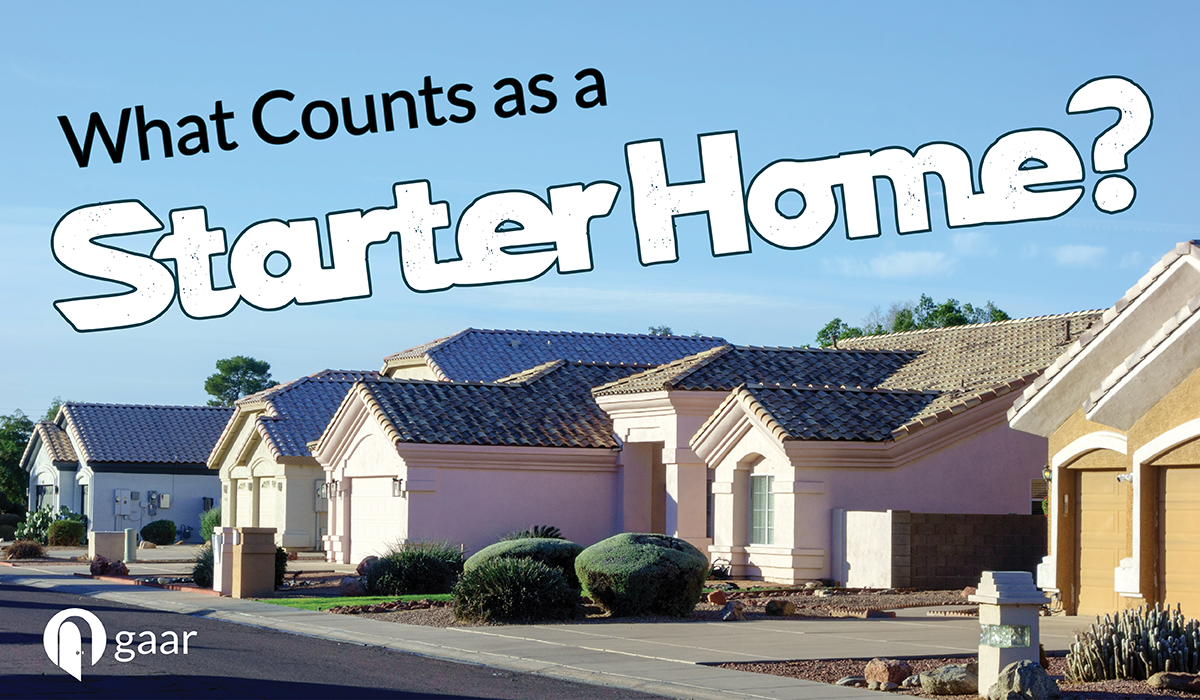
As home prices have risen, the traditional definition of a “starter home” may no longer reflect what first-time buyers can realistically afford.
For generations, the starter home has represented an important first step into homeownership. It may be smaller, need a few updates, or lack some of the features on a buyer’s wish list, but it provides an opportunity to begin building equity and establish a foothold in the housing market.
But what actually counts as a starter home today?
The Definition Is Changing
In a recent Ask the Economist, the National Association of REALTORS® examined how economists traditionally define starter homes and why that definition may not match the experience of today’s first-time buyers.
Historically, a starter home has often been defined as a property priced at approximately 85% of the median home price. The problem is that this definition moves with the market. As the median price rises, so does the price threshold for what qualifies as a starter home.
According to NAR’s analysis, a more realistic measure of an affordable entry-level home today may be closer to 60% of the median home price.
That difference is significant.
A home can technically fall below the median price and still be financially out of reach for many households trying to purchase their first property. Higher home prices, mortgage rates, insurance, property taxes and other costs can all influence what a buyer can realistically afford each month.
Starter Homes Are About More Than Price
“Starter home” also does not have to mean a particular style of house.
Depending on the buyer and the local market, that first home could be a condominium, townhome, smaller single-family property, older home, or a property farther from a buyer’s preferred neighborhood.
For some buyers, getting started may mean reconsidering the size, location or features they originally envisioned. The goal is not necessarily finding a forever home on the first try. It is finding a home that fits their current needs and financial situation while providing an opportunity to begin building equity.
REALTORS® Can Help Buyers Redefine the Starting Line
This changing definition makes conversations between buyers and REALTORS® especially valuable.
REALTORS® can provide local market knowledge, help buyers understand what is available within different price ranges, identify neighborhoods or property types they may not have considered, and connect them with resources that can help them better understand the purchasing process.
For first-time buyers, the question may no longer be simply, “Can I find a starter home?”
A better question might be, “What does a realistic first home look like for me?”
As affordability continues to shape the housing market, understanding that distinction can help REALTORS® guide buyers toward opportunities that fit both their goals and their budget.


Comments