










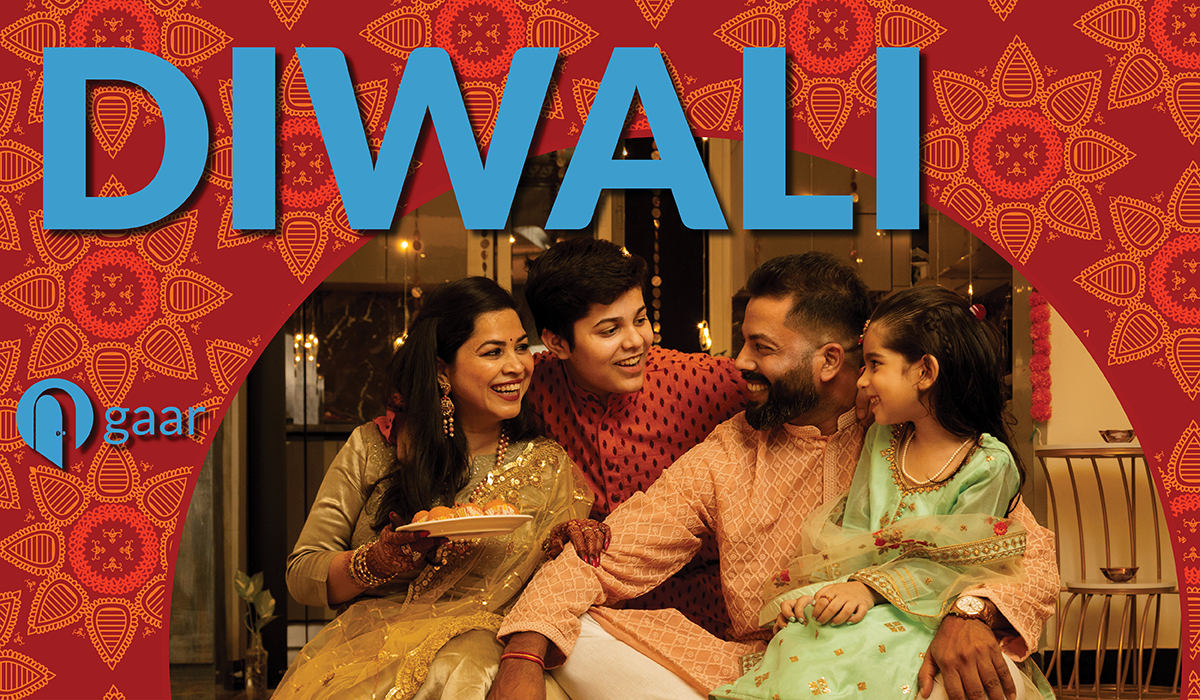
Diwali, also known as Deepavali or the Festival of Lights, is one of the most widely celebrated festivals in India and among South Asian communities around the world. Symbolizing the triumph of light over darkness, knowledge over ignorance, and good over evil, Diwali is a time for reflection, renewal, family gatherings, and celebration.
In 2026, the main day of Diwali falls on Sunday, November 8. While traditions vary across regions and faiths, the festival commonly spans several days of celebrations filled with lights, colorful decorations, delicious food, and meaningful customs.
The Meaning Behind Diwali
The word Deepavali comes from Sanskrit and means "row of lights," referring to the small clay oil lamps, called diyas, that illuminate homes, temples, and public spaces during the festival.
Diwali holds significance across several religious traditions:
- Hinduism: Diwali is associated with several stories and traditions, including the return of Lord Rama to Ayodhya after defeating Ravana and celebrations honoring Lakshmi, the goddess of prosperity.
- Jainism: The festival commemorates Lord Mahavira's attainment of moksha, or liberation from the cycle of rebirth.
- Sikhism: The coinciding observance of Bandi Chhor Divas celebrates the release of Guru Hargobind from imprisonment and his role in securing the freedom of other prisoners.
- Buddhism: Some Buddhist communities, particularly Newar Buddhists in Nepal, observe Diwali-related traditions as part of Tihar.
Although the stories and practices differ, themes of hope, compassion, renewal, and the importance of light connect many of these celebrations.
Traditions That Bring Communities Together
Diwali is often marked by cleaning and decorating homes, wearing new clothes, exchanging gifts, and gathering with loved ones.
Colorful patterns called rangoli are created near entrances using colored powders, flowers, or other materials. Families light diyas and candles, prepare traditional sweets, and share festive meals. Many communities also host cultural performances, prayers, and public celebrations.
For some, Diwali marks the beginning of a new financial year, making it a time to welcome prosperity and new opportunities.
Celebrating Diversity in Our Community
New Mexico's cultural richness is shaped by the many backgrounds, beliefs, and traditions of the people who call it home. Celebrations like Diwali provide an opportunity to learn about cultures beyond our own while recognizing the values that bring communities together.
As REALTORS®, understanding and respecting different cultural traditions helps foster welcoming relationships with clients, colleagues, and neighbors. Recognizing celebrations such as Diwali is one way to acknowledge the diversity of the communities we serve.
This Diwali, GAAR extends warm wishes to everyone celebrating. May the Festival of Lights bring happiness, prosperity, and new beginnings to you and your loved ones.
Happy Diwali!
Advancing, Belonging, Community & Diversity Committee
presents this cultural heritage celebration blog
Comments